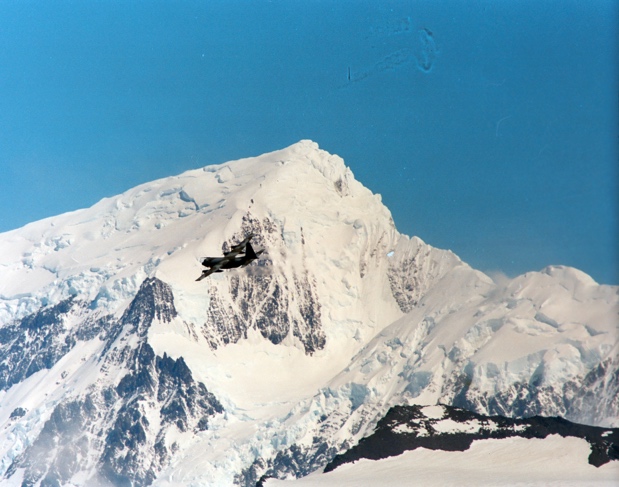
At my appraisal at the beginning of this year, I decided that one of my objectives should be to do something different. Not another audit. Not another quality improvement project. Not another course or certificate. Something that wasn't really medicine at all.
There is a reasonable literature around the benefits of creative activity and the arts for wellbeing. A recent systematic review of Arts on Prescription programmes found improvements in psychosocial wellbeing across a range of different creative activities. Interestingly, these included photography as well as painting, sculpture, music, writing and other forms of art.¹ There is also a smaller literature looking specifically at participatory photography, suggesting that the act of taking photographs may help with things such as self-knowledge, expression and a sense of empowerment.²
Rediscovering South Georgia
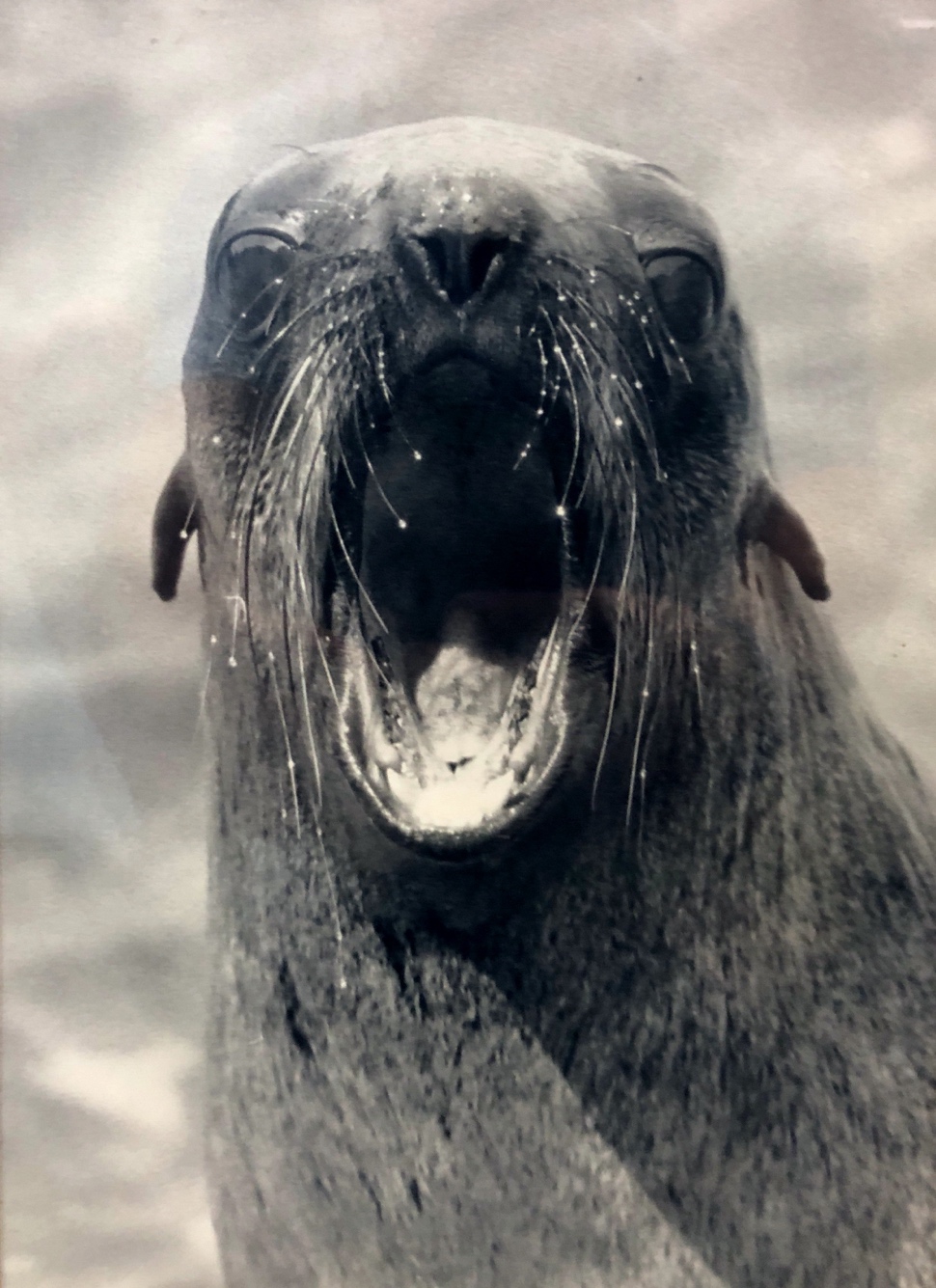
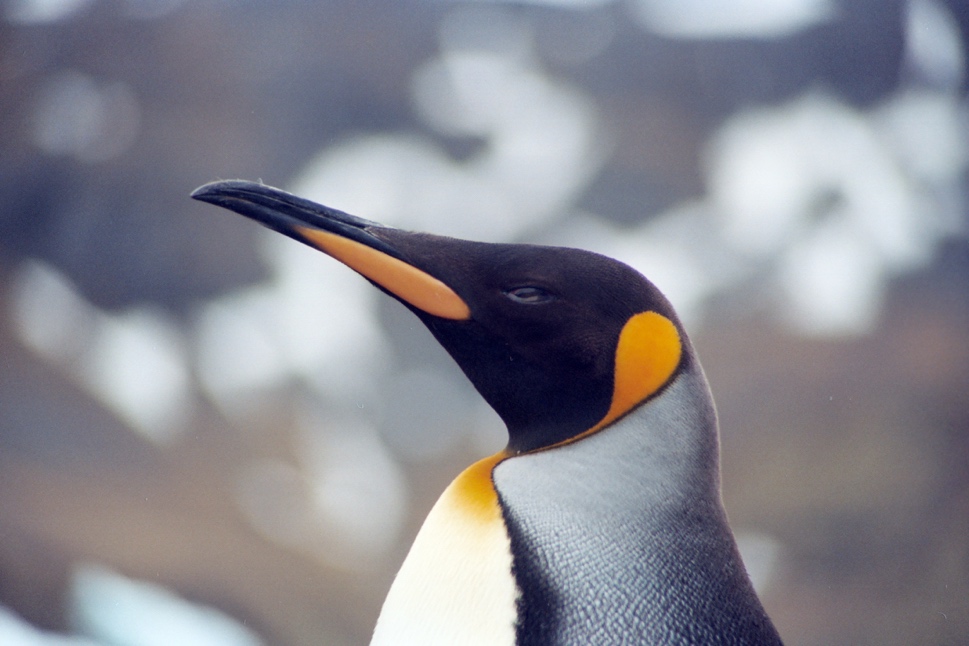
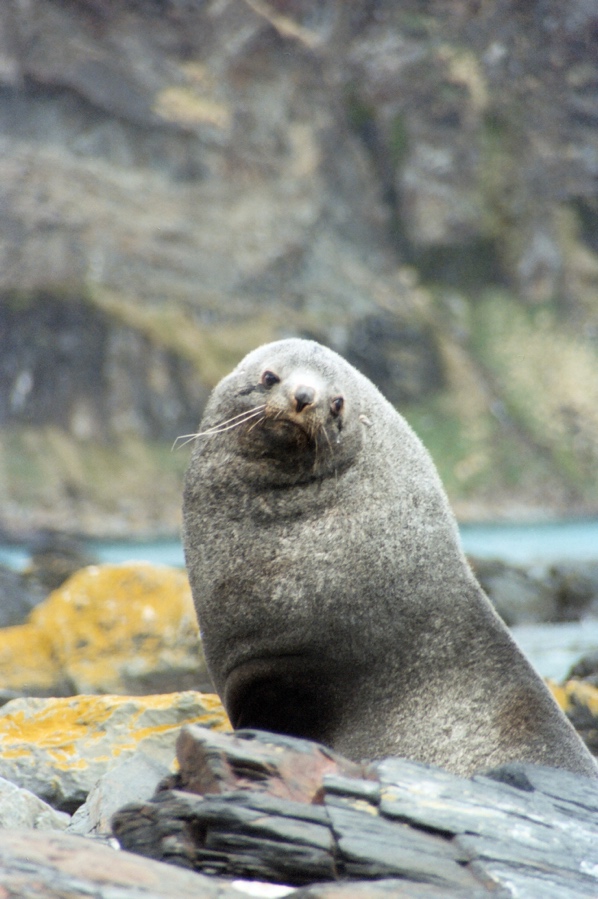
I wouldn't describe myself as particularly artistic. I am learning the guitar, although nobody is likely to mistake me for a musician any time soon. Photography, however, is something I have always enjoyed. So one of the things I decided to do for appraisal was simply to take more photographs. That has led me in a slightly unexpected direction. I recently dug out some old colour slides and negatives from a trip I made to South Georgia, in the Southern Ocean, quite a few years ago. They had spent years sitting in boxes, largely forgotten, so I have started having them professionally digitised. The results have been rather wonderful.
There are penguins, seals, landscapes and photographs that I had almost completely forgotten taking. Seeing them again has reminded me not only of the places themselves, but also of how much I enjoyed the process of photography. Looking properly. Waiting. Noticing light, landscape and wildlife. In many ways, it is the exact opposite of a busy day in general practice. And perhaps that is where this does connect back to medicine.
Still curious
I turned 59 this year. I'm certainly not winding down yet and, in many respects, I feel that I am probably practising general practice as well as I ever have. Experience helps. I know much more than I did twenty or thirty years ago, but I also have a much better idea of the limits of what I know.
Most importantly, I am still curious.
I think curiosity is one of the things that keeps general practice interesting. We see undifferentiated presentations at the beginning of the story, rather than neatly packaged diagnoses at the end. The same symptom can have dozens of different explanations and lead to very different outcomes. That uncertainty is one of the things that makes primary care difficult, but it is also what makes it endlessly interesting.
There is some evidence that this orientation towards lifelong learning doesn't disappear once formal medical training finishes. Murad and colleagues, in a meta-analysis across the health professions, found that orientation towards lifelong learning remained high among practising professionals and appeared to continue developing after formal training had ended.³ I rather like that idea. Perhaps lifelong learning isn't simply about acquiring more medical knowledge. It is also about retaining the desire to notice things, ask questions and occasionally try something completely different.
A little housekeeping
There is another aspect to this as well. Roger Neighbour famously included "housekeeping" as one of the tasks of the consultation. For me, that idea has become more important with time. Clinical work can be immensely rewarding, but it can also be emotionally and cognitively demanding. There are days when you finish a clinic carrying rather more of it home than you would like. Everyone needs some way of putting that down. For me, particularly during the summer, that increasingly means getting outside with a camera. Sometimes I photograph wildlife or the landscape. Quite often I photograph the dog. The quality of the subject matter varies.
I'm not suggesting that photography is a treatment for the stresses of clinical practice, and the evidence certainly doesn't justify such a grand claim. But there is increasingly good evidence that participation in creative activities can contribute to wellbeing.¹ For me, the benefit is much simpler. Photography makes me stop. It makes me look at something other than a computer screen. It gets me outside. And, for a while, it requires my attention to be somewhere completely different.
A different kind of appraisal
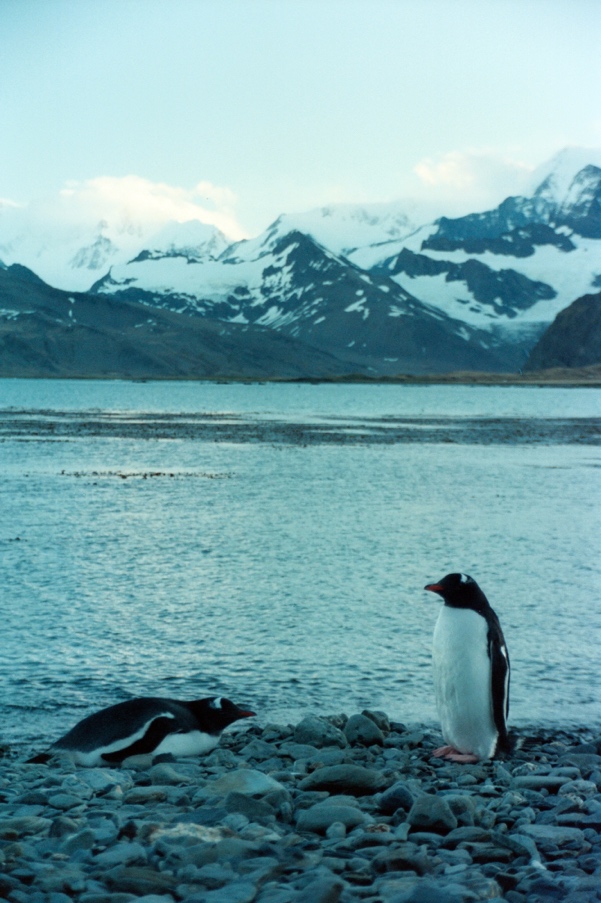
Perhaps appraisal should occasionally encourage exactly that. After many years of medical appraisal, it would have been very easy to set myself another objective that looked suitably professional and measurable. Instead, one of my objectives this year has resulted in me walking around with a camera and rediscovering photographs I took on an island in the Southern Ocean many years ago. I'm rather pleased it did. And, since I've now had the South Georgia slides digitised, I have the perfect excuse to put some of them here.
References
1. Jensen A, Holt N, Honda S, Bungay H. The impact of arts on prescription on individual health and wellbeing: a systematic review with meta-analysis. Front Public Health. 2024;12:1412306. doi:10.3389/fpubh.2024.1412306.
2. Buchan CA. Therapeutic benefits and limitations of participatory photography for adults with mental health problems: a systematic search and literature review. J Psychiatr Ment Health Nurs. 2020;27(5):657–668. doi:10.1111/jpm.12606.
3. Murad MH, Coto-Yglesias F, Varkey P, Prokop LJ, Murad AL. The effectiveness of self-directed learning in health professions education: a systematic review. Med Educ. 2010;44(11):1057–1068.


Leave a Reply